
GamCare
UK information, live chat, forums and National Gambling Helpline support.
Visit GamCareMine Rush field guide
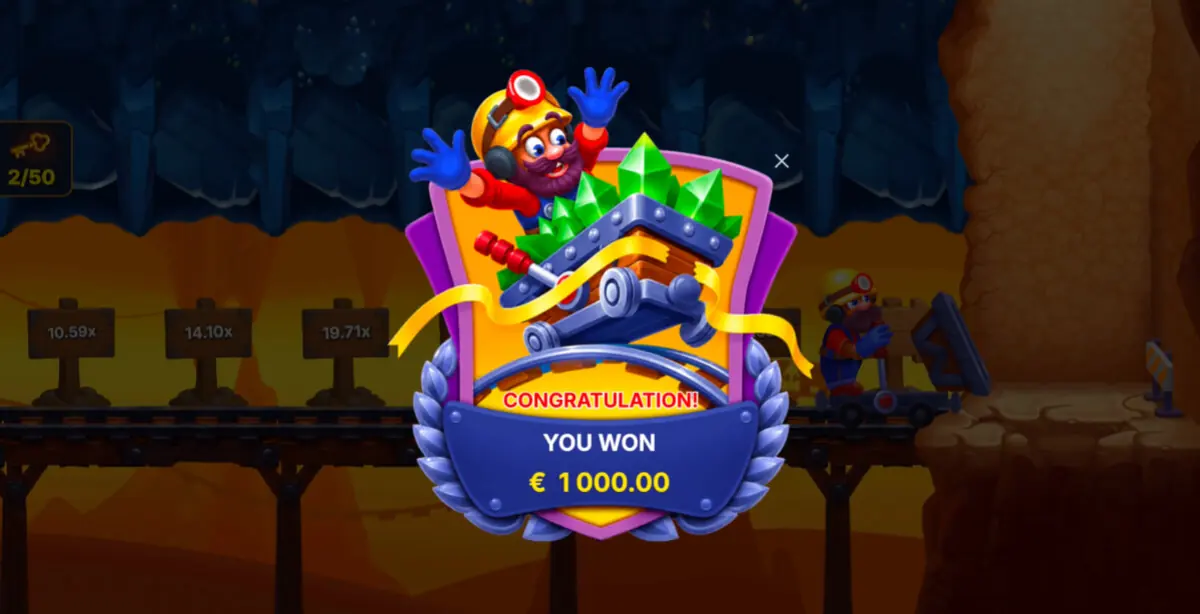
Mine Rush is gambling entertainment for adults. Its fast GO-or-cash-out loop, visible multipliers, persistent keys and bonus threshold can encourage repeated play. Limits should be configured before the first wager, not after control becomes difficult.
Warning signs
One sign is enough to pause and assess. Persistent progression is intentionally saved, so a near-complete counter does not require finishing today. The safest choice may be to stop permanently.
Practical controls
| Control | What it limits | When to set |
|---|---|---|
| Deposit limit | Money entering the account | Before first deposit |
| Loss limit | Net money lost in a period | Before play |
| Wager limit | Total turnover | Before session |
| Session timer | Continuous time and pace | Before opening the game |
| Cooling-off | Temporary access | At early signs of chasing |
| Self-exclusion | Account access for a chosen period | When stronger separation is needed |
Use bank gambling blocks and device blocking software as additional layers. Do not rely on willpower alone. Tell a trusted person about the plan and remove saved payment methods where possible.
Self-check
If not, use account blocks rather than making another plan inside the game.
Stress, loneliness and anger make risk decisions harder. Choose another activity and contact support.
Neither a recent loss nor 49 keys changes the affordability of the next stake.
Secrecy is a warning sign. Share the real amounts with a trusted person or counsellor.
Self-exclusion is a valid protective step, not a failure.
Direct help
UK information, live chat, forums and National Gambling Helpline support.
Visit GamCareInformation, support pathways and safer-gambling resources.
Visit GambleAwareFree self-exclusion from participating UK online gambling companies.
Visit GamStopGlobal online support and multilingual resources.
Visit Gambling TherapyServices and eligibility vary by country. If there is immediate danger, risk of self-harm or a medical emergency, contact local emergency services now.
For family and friends
Choose a calm time, describe specific changes you observed and listen without judgement. Avoid lending money to cover gambling debt or helping to open another account. Encourage contact with a trained service and protect shared finances where necessary.
Gambling harm can involve debt, anxiety, depression, conflict and risk of self-harm. It can also develop into gambling addiction, which deserves confidential professional support rather than blame. Ask directly about immediate safety when concerned. If there is an emergency, contact local emergency services. Confidential services can also advise family members even when the person gambling is not ready to seek help.
Do not frame one more bonus, a near-complete key track or a hoped-for win as a way to solve debt. The 96% RTP still represents a long-run house edge. Recovery begins by stopping exposure, reviewing finances and using professional support.
Combine operator self-exclusion, national exclusion where available, bank blocks, blocking software, advertising controls and removal of stored payment methods. No single layer covers every site. Review the blocks after device, bank or address changes.
Some people should not return to gambling. A period away does not create a safer system or erase prior harm. Discuss any return with a qualified counsellor and keep exclusion in place if control has repeatedly failed.
After a block
Unsubscribe from gambling marketing, mute related social accounts, clear saved cards and ask the bank about gambling blocks. Replace the usual session time with a planned activity and tell a trusted person when urges are strongest. A block is more effective when advertising and instant funding do not keep reopening the decision.
List essential bills, debt minimums and available income without adding hoped-for winnings. A qualified debt adviser can help prioritise creditors and protect necessities. Do not borrow to preserve an operator balance, complete a bonus or reach the fiftieth key.
Relapse does not require chasing the loss or abandoning every control. Stop immediately, reactivate exclusion layers, contact support and review how access occurred. If distress becomes acute or self-harm feels possible, contact emergency services or a crisis service in the current country.